

Natural-Looking Solutions for Cavities and Chips
Small cavities, minor chips, and cracks in your teeth don’t have to compromise your smile. At Citrus Smiles Dental Studio, Dr. Aurora offers composite dental fillings that blend seamlessly with your natural tooth color while providing durable, long-lasting protection from tooth decay. Unlike traditional metal fillings, composite resin creates beautiful, virtually invisible restorations that let you smile with confidence.
Composite fillings are made from tooth-colored resin material that can be precisely matched to your existing tooth shade. They bond directly to your tooth structure, strengthening it while filling cavities or repairing damage. The procedure is quick, comfortable, and minimally invasive. Most fillings can be completed in a single appointment lasting less than an hour.
If you’re looking for a dental filling that looks and feels natural, composite resin is the modern solution. We proudly serve patients in Murphy, Wylie, and Heath with advanced restorative dentistry that prioritizes both health and aesthetics. Call us today to schedule your appointment.
Why Choose Citrus Smiles Dental Studio for Composite Fillings
Our practice combines advanced materials with skilled technique to deliver beautiful, lasting results.
- Precise color-matching technology that ensures your filling blends invisibly with your natural tooth shade
- Mercury-free materials for safe, biocompatible restorations without any metal content
- Conservative tooth preparation that preserves more of your healthy tooth structure compared to traditional fillings
- Same-day treatment with most fillings completed in one comfortable appointment
- Digital X-ray imaging for accurate diagnosis and minimal radiation exposure during your visit
What Are Composite Dental Fillings?
Composite dental fillings are tooth-colored restorations made from a mixture of plastic resin and fine glass particles. The dentist applies the composite material in layers directly onto the prepared tooth, bonding it chemically to the tooth structure using special adhesives. Each layer is hardened with a curing light before the next is applied. Once complete, the filling is shaped to match your tooth’s natural contours and polished to a smooth finish that resists staining and blends seamlessly with surrounding teeth.
Types of Composite Filling Applications
Composite resin can address various dental concerns beyond simple cavity treatment.
- Direct fillings: Applied and shaped directly in your mouth during a single visit to fill cavities or repair minor damage
- Indirect fillings:
- Inlays: Lab-fabricated composite restorations that fit within the cusps of a tooth, used for larger cavities that don’t require a full crown
- Onlays: Similar to inlays but extending over one or more tooth cusps, providing more coverage for extensive decay or damage
Dental Fillings Materials
Dental fillings are crafted from various materials, each offering distinct advantages in terms of durability, aesthetics, and cost. The choice of material depends on factors such as the location and size of the cavity, chewing forces, and patient preferences.
- Composite Resin: Tooth-colored plastic and glass mixture, ideal for aesthetic restorations, bonding directly to the tooth.
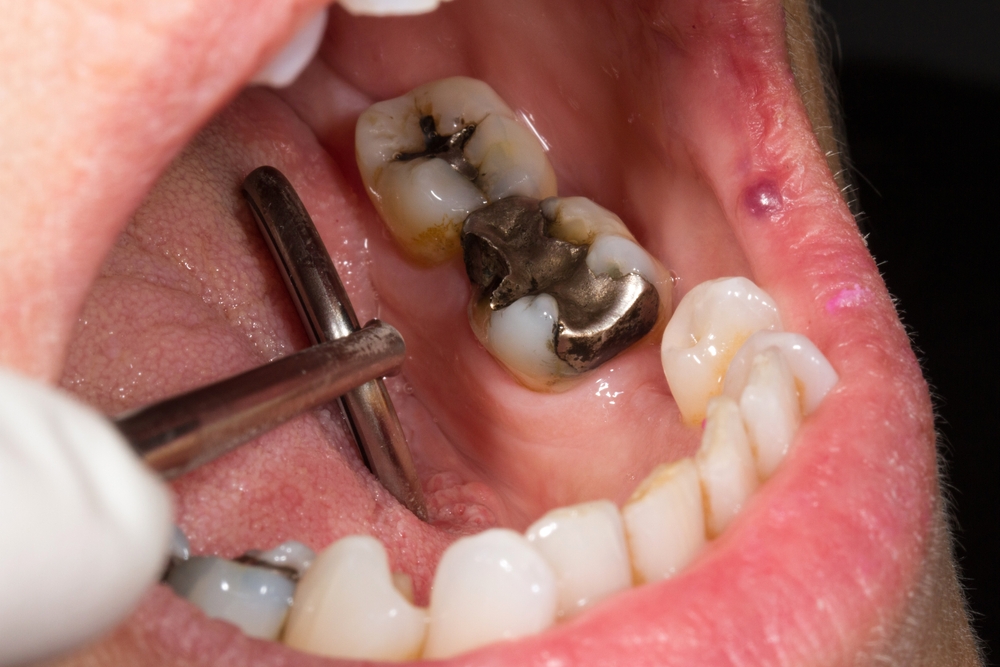
- Amalgam (Silver Fillings): A durable, cost-effective mixture of metals (including mercury, silver, tin, and copper), known for its strength but visible silver appearance.
- Gold Fillings: Highly durable and biocompatible, gold restorations are custom-made in a lab and cemented into place, offering longevity but at a higher cost.
- Ceramic (Porcelain) Fillings: Made from porcelain, these are highly aesthetic and stain-resistant, often used for inlays and onlays, matching natural tooth color.
- Glass Ionomer: A tooth-colored material that releases fluoride, often used for small cavities, temporary fillings, or in areas not subject to heavy chewing forces.
Benefits of Composite Dental Fillings
Choosing composite fillings offers numerous advantages over traditional metal alternatives for your oral health and appearance.
- Invisible appearance with color matching so precise that even you may forget which tooth has a filling when looking in the mirror
- Stronger tooth structure because the composite bonds directly to enamel and dentin, supporting the tooth rather than just filling a space
- No temperature sensitivity from metal conductivity, allowing you to enjoy hot coffee or ice cream without discomfort or shocking sensations
- Mercury-free composition that eliminates any concerns about potential health effects from dental amalgam fillings containing mercury
- Minimally invasive preparation requiring less removal of healthy tooth structure since the material bonds rather than needing mechanical retention
- Quick procedure time with most fillings completed in 30 to 60 minutes, getting you back to your day faster
- Versatile applications suitable for front or back teeth, small or medium cavities, and both functional and cosmetic purposes
- Long-lasting durability with proper care, composite fillings typically last seven to 10 years or longer before needing replacement
Who Is a Good Candidate for Tooth Colored Fillings?
Composite resin fillings work well for many patients dealing with various dental concerns.
- Anyone with small to medium-sized cavities that need to be filled before decay spreads deeper into the tooth
- Patients with chipped or cracked teeth who want to restore both function and appearance with one treatment
- People seeking to replace old, visible metal fillings with more natural-looking restorations
- Those with minor gaps between teeth that affect their smile but don’t require orthodontic treatment
- Patients who want cosmetic improvements to slightly misshapen or discolored teeth through bonding
- Anyone looking for mercury-free dental restorations that are safe and biocompatible
- People concerned about aesthetics who need fillings on front teeth or other highly visible areas

The Composite Filling Process – Step by Step
Understanding what happens during your appointment helps you feel more comfortable about the procedure.
1. Examination and Diagnosis
Dr. Aurora examines your teeth and takes digital X-rays if needed to assess the extent of decay or damage. We discuss your concerns and explain the recommended treatment approach.
2. Anesthesia Administration
We apply local anesthesia to numb the area around the tooth being treated. You’ll feel comfortable and relaxed throughout the procedure without any pain.
3. Tooth Preparation
The decayed or damaged portion of the tooth is carefully removed using specialized instruments. We prepare the tooth conservatively, removing only what’s necessary while preserving healthy structure.
4. Shade Selection
Using a shade guide, we select the composite resin color that perfectly matches your natural tooth shade. This ensures your filling will be virtually invisible once complete.
5. Isolation and Etching
The tooth is isolated to keep it dry, then we apply a mild acidic gel that slightly roughens the surface. This creates a better surface for bonding the composite material to your tooth.
6. Bonding Agent Application
A special adhesive is applied to the prepared tooth surface and cured with a bright light. This bonding agent creates a strong chemical connection between your tooth and the filling material.
7. Composite Placement and Shaping
The composite resin is applied in layers, with each layer hardened using a curing light. We carefully sculpt the material to recreate your tooth’s natural contours and bite surface.
8. Final Adjustments and Polishing
Once the composite is fully hardened, we check your bite and make any necessary adjustments. The filling is then smoothed and polished to match the sheen of your natural teeth.
Caring for Your Composite Fillings
Proper maintenance helps your composite fillings last longer and keeps your smile healthy.
- Brush twice daily with a soft-bristle toothbrush and fluoride toothpaste to prevent new decay around the filling
- Floss at least once every day, being gentle around the filled tooth to remove plaque and food particles
- Avoid biting down on extremely hard foods like ice, hard candy, or unpopped popcorn kernels that could crack the filling
- Limit staining beverages like coffee, tea, and red wine during the first 48 hours after placement while the filling fully hardens
- Schedule regular dental checkups and cleanings every six months so we can monitor your fillings and catch any issues early
- Consider wearing a nightguard if you grind your teeth while sleeping, as this can wear down composite fillings over time
- Address any changes in your bite or sensitivity promptly by contacting our office rather than waiting for your next scheduled visit
Cost & Financing for Composite Fillings
The cost of composite fillings depends on the size and location of the cavity, as well as how many surfaces of the tooth need to be restored. Most dental insurance plans cover composite fillings, especially for front teeth, though coverage for back teeth varies by plan. We’ll verify your benefits and provide a clear cost estimate before starting treatment.
- Small one-surface composite fillings typically range from $150 to $300 per tooth
- Larger fillings involving two or three surfaces generally cost between $250 and $500
- Most insurance plans cover 70% to 80% of filling costs after your deductible is met
- We accept CareCredit, Lending Club, and other financing options with flexible monthly payment plans
- Our team will work with you to maximize your insurance benefits and find an affordable payment solution
Important Considerations & Alternatives
Composite fillings are excellent for many situations, but they have some limitations to consider. While they’re highly durable, composite fillings may not be ideal for very large cavities or teeth with extensive damage—in these cases, crowns or inlays may provide better long-term protection. The material can stain slightly over many years, especially if you frequently consume dark-colored beverages or use tobacco products.
Common Alternatives
- Ceramic inlays or onlays for larger restorations that are highly stain-resistant but more expensive than composite
- Dental crowns for severely damaged teeth that need full coverage and protection beyond what a filling can provide
Possible Side Effects
- Temporary sensitivity to hot, cold, or pressure for a few days after placement as your tooth adjusts to the new filling
- Slight soreness in the gum tissue around the treated tooth from dental instrument contact during the procedure
- Rare allergic reactions to composite resin materials, though this occurs in less than 1% of patients
- Minor bite adjustment needs if the filling feels slightly high or uneven, easily corrected at a quick follow-up visit