
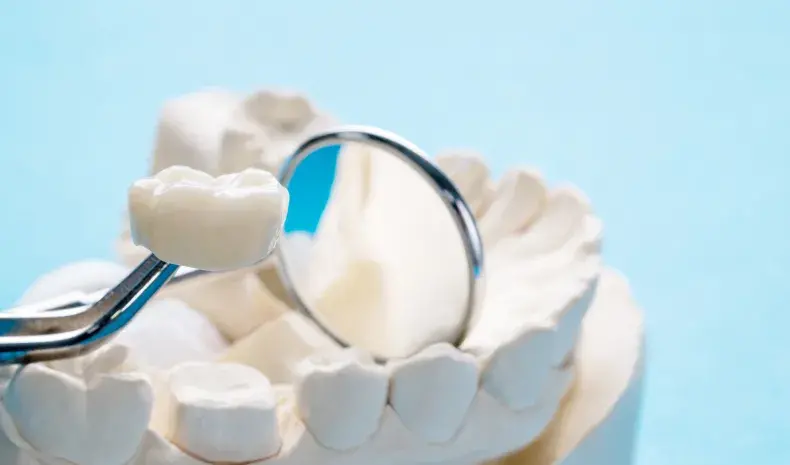
Restore Strength and Beauty to Damaged Teeth
A damaged, decayed, or discolored tooth doesn’t have to compromise your smile any longer. At Citrus Smiles Dental Studio, Dr. Aurora provides custom dental crowns that completely cover and protect compromised teeth while restoring their natural appearance and function. Whether you need to strengthen a cracked tooth, cover a large filling, or improve the look of a discolored tooth, crowns offer a durable, long-lasting solution.
Dental crowns—sometimes called dental caps—are custom-made coverings that fit over your entire tooth above the gum line. From protecting root canal-treated teeth to rebuilding extensively decayed ones, dental crowns are one of the most versatile restorations in dentistry. Serving Murphy, Wylie, and Heath, we’re here to help you maintain a healthy, beautiful smile for years to come. Give us a call to learn more about your crown options.
Why Patients Trust Citrus Smiles Dental Studio
We combine artistic skill with clinical precision to create crowns that look natural and last.
- Multiple crown materials available, including all-ceramic, porcelain-fused-to-metal, and gold options suited to different teeth and needs
- Lab partnerships with skilled technicians who handcraft each crown to match your specifications exactly
- Same-day temporary crowns to protect your tooth and maintain your appearance while your permanent crown is being made
- Comfortable preparation procedures using effective anesthesia and gentle techniques throughout the process
- Precise bite adjustments ensure your crown feels natural and doesn’t interfere with how your teeth come together
What Is a Dental Crown?
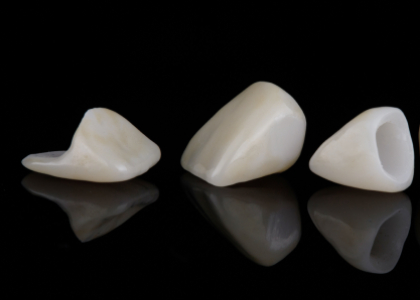
A dental crown is a tooth-shaped cap that covers the entire visible portion of a damaged or weak tooth above the gum line. Crowns are custom-fabricated in a dental laboratory to match the size, shape, and color of your natural teeth. They’re permanently cemented in place and become the new outer surface of your tooth, protecting it from further damage while restoring full function.
Crown Material Options
Different crown materials offer distinct advantages depending on your specific needs and the tooth being restored.
- All-porcelain crowns: Made entirely from ceramic, these offer the most natural appearance and are ideal for front teeth, where aesthetics matter most
- Porcelain-fused-to-metal (PFM): Combines the strength of metal with the appearance of porcelain, suitable for back teeth that need durability but still require decent aesthetics
- Zirconia crowns: Made from extremely strong zirconium dioxide ceramic, offering exceptional durability and natural translucency, ideal for both front and back teeth
- Gold alloy crowns: Extremely durable and gentle on opposing teeth, though their metallic appearance makes them best suited for back molars
- Base metal alloy crowns: Very strong and require less tooth removal, but their silver color limits their use to back teeth
- Composite resin crowns: Less expensive but not as durable or stain-resistant as other options, sometimes used as temporary solutions
Check with our Texas dentists to see which dental crown materials we have available.
Why You Might Need a Dental Crown
Dental crowns solve multiple problems and offer important benefits for protecting and restoring damaged teeth.
- Protects weakened teeth from breaking or cracking further, especially after large fillings or root canal treatment, when tooth structure is compromised
- Restores fractured teeth by covering cracks and holding the remaining tooth pieces together to prevent complete failure
- Covers severe discoloration that doesn’t respond well to whitening treatments, creating a bright, natural-looking surface
- Replaces large fillings when so much tooth structure is gone that a filling alone won’t provide adequate support or strength
- Completes dental implants by serving as the visible tooth portion that attaches to the implant post beneath your gums
- Anchors dental bridges by capping the natural teeth on either side of a gap to support replacement teeth
- Improves tooth shape and alignment for better aesthetics when a tooth is poorly shaped or slightly misaligned
- Strengthens worn teeth damaged by grinding, acid erosion, or years of heavy use that have compromised their structure
Who Benefits Most from Crown Treatment
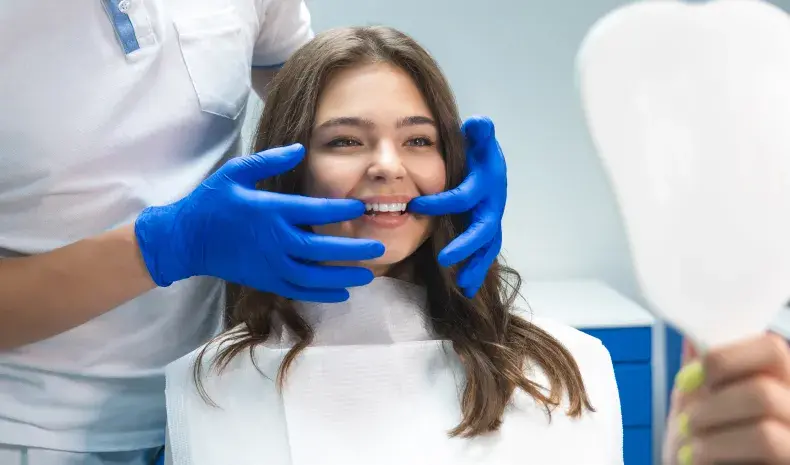
Crowns work exceptionally well for patients with various dental concerns that compromise tooth integrity or appearance.
- Anyone with extensive decay that leaves insufficient tooth structure for a simple filling to restore adequately
- Patients with a damaged or broken tooth that needs reinforcement to prevent further fracture
- People who’ve undergone root canal therapy and need protection for the now-brittle tooth
- Those with severely worn teeth from grinding, clenching, or acid erosion over time
- Patients with large, old fillings that are failing or leaving the remaining tooth vulnerable to fracture
- Anyone seeking to improve the appearance of severely discolored or misshapen teeth
- People receiving dental implants who need the final restoration to complete their tooth replacement
Dental Crown Procedure
Crown placement typically spans two visits over a two-week period, with each appointment serving a specific purpose.
1. Comprehensive Evaluation
Dr. Aurora examines your tooth, reviews any symptoms, and takes X-rays to assess the extent of damage or decay. We discuss whether a crown is the right solution and explain your material options.
2. Anesthesia and Comfort
Local anesthesia is administered to completely numb the tooth and surrounding tissue. You’ll remain comfortable throughout the preparation process without feeling any pain.
3. Tooth Reshaping
The tooth is carefully reshaped by removing a thin layer of enamel from all sides and the top. This creates room for the crown to fit over the tooth without making it feel bulky or affecting your bite.
4. Impression Recording
Detailed impressions of the prepared tooth and surrounding teeth are taken using digital scanning or traditional impression materials. These capture every contour needed for a perfect-fitting crown.
5. Shade Selection
We use a shade guide to determine which color will match your adjacent teeth most closely. Natural teeth have subtle color variations, and we select the most harmonious shade for seamless blending.
6. Temporary Crown Placement
A temporary crown made of acrylic or composite is placed over your prepared tooth using temporary cement. This protects the tooth and maintains function and appearance for the next 10 to 14 days.
7. Laboratory Fabrication
Your impressions are sent to a dental lab where skilled technicians custom-craft your permanent crown. This process takes approximately two weeks to complete with precision.
8. Permanent Crown Cementation
At your second visit, the temporary crown is removed, and the permanent crown is tried in. Dr. Aurora checks the fit, appearance, and bite, making any needed adjustments before permanently cementing it in place.
Caring for Dental Crowns
While crowns are durable, following these care guidelines helps them last as long as possible.
- Brush twice daily with a soft-bristled toothbrush and fluoride toothpaste, paying attention to where the crown meets your gum line
- Floss daily around your crown just like you would a natural tooth to prevent gum disease and decay at the margin
- Avoid chewing ice, hard candies, or other extremely hard substances that can chip or crack porcelain crowns
- Don’t use your crowned teeth to open packages, tear tape, or perform other non-chewing tasks
- Wear a nightguard if you grind or clench your teeth while sleeping to protect your crown and natural teeth
- Attend regular dental checkups every six months so we can examine your crown and clean around it professionally
- Contact our office promptly if your crown feels loose, if you notice any cracks, or if the tooth becomes sensitive
Thinking about getting a crown? We make the process straightforward and comfortable. Reach out to Citrus Smiles Dental Studio, and we’ll walk you through everything you need to know.
What to Expect for Dental Crown Pricing
Dental crown costs vary based on the material you choose and the complexity of your case. Porcelain and ceramic crowns typically cost more than metal crowns, but they offer superior aesthetics. Most dental insurance plans consider crowns a major restorative procedure and provide coverage.
- All-porcelain or all-ceramic crowns generally range from $1,000 to $3,000 per tooth
- Porcelain-fused-to-metal crowns typically cost between $800 and $2,500 per tooth
- Gold or metal alloy crowns usually range from $800 to $2,500, depending on current metal prices
- Insurance typically covers 40% to 60% of crown costs after your deductible is satisfied
- Flexible payment plans through CareCredit and other financing services let you spread costs over manageable monthly payments
Things to Consider Before Getting a Crown
Dental crowns are highly successful restorations, but it’s important to understand what’s involved. The procedure requires removing a layer of enamel from your tooth, which is irreversible—once prepared for a crown, your tooth will always need one. Crowns typically last 10 to 15 years with good care, but they can chip, crack, or eventually need replacement. The underlying tooth can still develop decay if oral hygiene isn’t maintained around the crown margins.
Alternative Dental Restorations
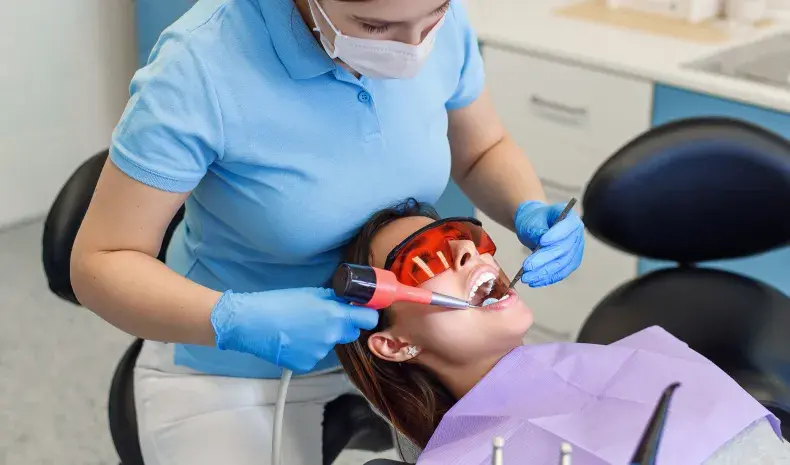
- Inlays or onlays that restore damaged teeth more conservatively when full crown coverage isn’t necessary
- Large composite fillings for teeth with moderate damage, though they don’t provide the same protection and may fail sooner
- Veneers for front teeth with primarily cosmetic concerns rather than structural damage
- Tooth extraction followed by an implant or bridge if the tooth is too damaged to save with a crown
Possible Issues to Know About
- Temporary sensitivity to hot or cold temperatures during the first few weeks after crown placement, usually resolving on its own
- Slight gum irritation around the crown margin immediately after placement, as your tissues adjust to the restoration
- Risk of porcelain chipping or cracking with very hard impacts, though modern materials are quite durable
- Rare allergic reactions to metal alloys used in some crowns occur in less than 1% of patients