

Dental Care Without the Fear or Discomfort
Some people don’t need to be knocked out to get through a dental appointment. They just need enough of a buffer to stop gripping the armrests. Oral conscious sedation provides exactly that: a moderate level of relaxation through a pill taken before your visit, no IVs, no needles, just a calmer version of yourself in the dental chair. At Citrus Smiles Dental Studio, we offer oral sedation at all five locations across Murphy, Wylie, Heath, Lucas, and Irving, TX. If you’re in Mesquite, Balch Springs, or Sunnyvale and have been avoiding the dentist because you know you’ll spend the whole appointment tense and miserable, this is the conversation worth having. Give us a call.
Contact Citrus Smiles Dental Studio today to schedule your appointment at our Murphy dental office: (972) 472-8862, Wylie dental office: (972) 474-3849, Heath dental office: (972) 433-6500, Lucas dental office: (214) 785-8271, or our Irving dental office: (469) 845-9855.
Citrus Smiles and the Patients Who’ve Been Waiting
We have many patients who finally returned to the dentist after years away, and oral sedation played a role in making that possible. Years of avoidance compound. The longer someone stays away, the more there is to address, and the more overwhelming the prospect feels. We do not judge any of that. What we do is meet people where they are, give them real options, and make the appointment feel less like something to endure.
Dr. Aurora’s MPH in dental public health was not an accident. It reflects a deliberate commitment to building a practice that works for underserved communities, for patients who have been dismissed or scared away, and for anyone who has convinced themselves that good dental care isn’t really available to them. We accept Medicaid, CHIP, and most PPO plans, and we have in-house options for patients without insurance. If cost is what’s been holding you back, our billing team will be straight with you about what things cost and what your options are.
What Is Oral Conscious Sedation?
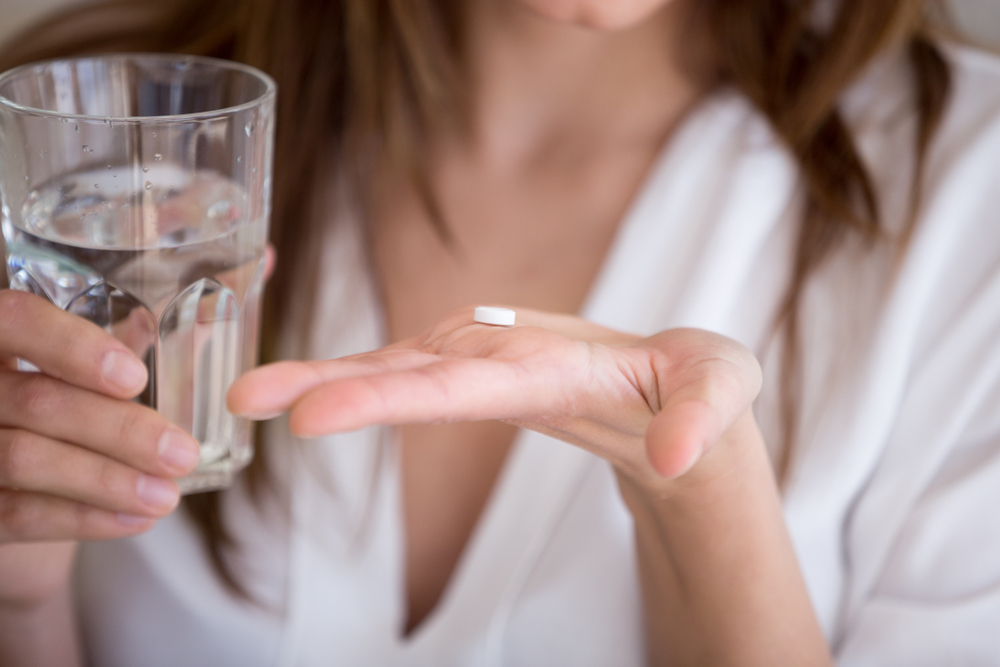
Oral conscious sedation is a type of dental sedation in which a prescribed medication, most often a benzodiazepine such as triazolam or diazepam, is taken by mouth before a dental appointment to produce a state of deep relaxation. You remain conscious throughout the procedure and can still respond to your dentist, but your anxiety is significantly reduced, and you’ll likely feel drowsy and at ease. Most patients remember little to nothing of the procedure afterward, which is one of the reasons it’s so effective for people with moderate to significant dental anxiety.
Who Is a Good Candidate for Oral Sedation?
Oral sedation fits well between nitrous oxide, which is lighter and shorter-acting, and IV sedation, which is the most involved option. It’s a good match for patients who:
- Have moderate dental anxiety that makes appointments difficult, but have not needed IV sedation
- Prefer not to have an IV placed
- Need a longer procedure completed in one visit
- Have avoided the dentist for an extended period and are returning for the first time in years
- Have a sensitive gag reflex that makes it hard for the dentist to work comfortably
- Want to have little to no memory of the appointment
Types of Oral Sedatives
There are several categories of medication used for oral conscious sedation in dentistry. Our dentists will discuss the appropriate option based on your health history and procedure needs.
Benzodiazepines
This is the most commonly used class of medication for oral sedation. Benzodiazepines, such as triazolam, work by binding to receptors in the brain that regulate anxiety and arousal, producing a calming effect. They have a well-established safety profile in dentistry when used appropriately and have a wide margin between an effective dose and an unsafe one.
Non-Benzodiazepines
Some patients may do better with a non-benzodiazepine alternative, which can provide similar relaxation with a different side effect profile. These are a reasonable option for patients who have had reactions to benzodiazepines in the past or have other considerations that make them a better fit.
Antihistamines
In some cases, antihistamines with mild sedative properties may be used to help patients with lighter anxiety feel more at ease. These are generally a less potent option and are sometimes used for patients who don’t need deep relaxation but want a little extra support.
How Oral Sedation Works: Step by Step
Before Your Appointment
You’ll follow specific instructions about eating, drinking, and medication timing. Most oral sedation protocols involve fasting for several hours before the appointment. Wear comfortable, loose-fitting clothing. Arrange for a trusted adult to drive you to and from the office and to stay with you at home for a few hours afterward. Do not plan to drive, operate machinery, or make important decisions for the rest of the day.
During the Procedure
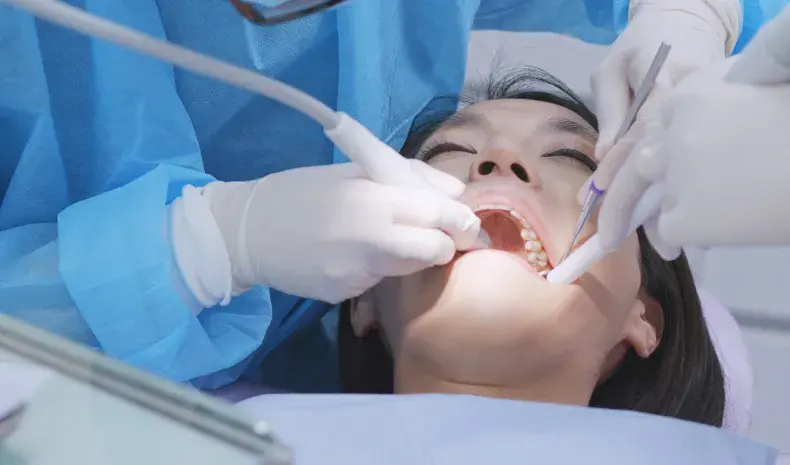
You’ll feel noticeably calmer and may feel quite drowsy. Some patients feel as though they’re floating or on the edge of sleep, though they can still respond when addressed. Your vital signs, including blood pressure, heart rate, and oxygen levels, are monitored throughout. Local anesthetic is also used during the procedure, so there is no physical discomfort.
After the Appointment
The sedative takes time to clear your system. Expect to feel groggy for the rest of the day. Some patients experience mild dizziness or nausea. These effects are temporary. Most people feel like themselves again by the following morning. Alcohol should be avoided for the rest of the day, and you should take any pain management medications exactly as directed.