

Save Your Tooth, Relieve Your Pain
If you’re experiencing severe tooth pain, prolonged sensitivity, or swelling around a tooth, you might need root canal therapy. At Citrus Smiles Dental Studio, Dr. Aurora and our skilled team use advanced techniques and modern technology to provide comfortable, effective root canal treatment that saves your natural tooth and eliminates discomfort.
Root canal therapy has an unfair reputation for being painful, but the truth is quite different. Modern root canal procedures are no more uncomfortable than getting a routine filling. The real pain comes from the infected or damaged tooth itself—and root canal therapy is what relieves that pain while preserving your smile.
We serve patients throughout Irving, Murphy, Wylie, Heath, and Lucas with gentle, precise dental care in a welcoming environment. If you’re dealing with persistent tooth pain or suspect you need a root canal, don’t wait. Call our Texas dentists near you today to schedule your consultation.
Why Choose Citrus Smiles for Root Canal Therapy
When you need root canal treatment, you want a team you can trust. At Citrus Smiles, our patients consistently praise the compassionate care and expert treatment they receive, even during unexpected dental emergencies.
What Our Patients Say:
- Alexa Metz shared her experience after an unexpected root canal: “The entire staff was so kind and welcoming! Brooke really helped me out with all things payment! I’m so grateful for the doctor and just everyone who helped me out today. Such great people who really have a passion for what they do.”
- Sabuson George was equally impressed with the level of care received: “Dr. Vidhi Shah is a gem of a dentist. She’s very professional, competent in her work and took the time to patiently check frequently on the accuracy of the work and your level of comfort. This is the first time I had a root canal procedure that didn’t bother me afterwards.”
At Citrus Smiles, we combine clinical excellence with genuine compassion to ensure your root canal experience is as comfortable as possible. Our team is dedicated to making even unexpected dental procedures stress-free, from the initial consultation through payment and follow-up care.
What Is Root Canal Therapy?
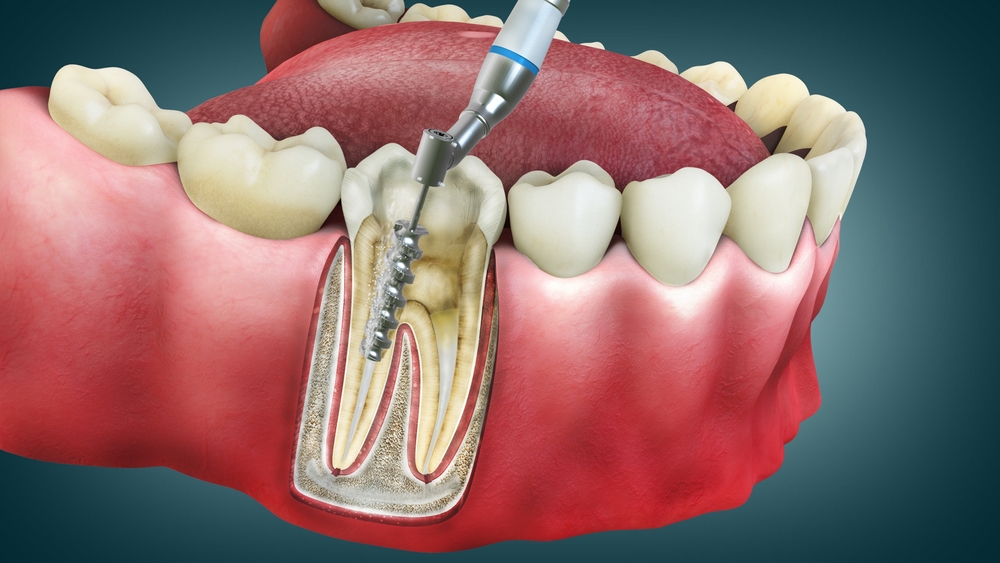
Root canal therapy is a dental procedure that removes infected or damaged pulp tissue from inside a tooth’s root canals. The pulp contains nerves, blood vessels, and connective tissue that help the tooth develop, but once a tooth is fully mature, it can survive without the pulp. During endodontic treatment, the dentist removes the infected pulp, cleans and disinfects the canal system, then seals it with a rubber-like material called gutta-percha to prevent reinfection. A tooth filling or dental crown is then placed to restore the tooth’s function and protect it from further damage.
Types of Root Canal Therapy
Different situations call for different approaches to root canal treatment.
- Standard root canal: The most common procedure for treating infected or inflamed pulp in a single tooth, typically completed in one appointment
- Anterior root canal: Treatment for front teeth, which usually have just one canal and are often simpler and faster to treat
- Molar root canal: More complex procedures for back teeth that may have three or four canals, requiring careful navigation
- Retreatment: When a previous root canal fails or becomes reinfected, requiring removal of the old filling material and re-treatment of the canals
- Apicoectomy: A surgical procedure that removes the tip of the tooth root when infection persists after standard root canal therapy
- Pulpotomy: Partial pulp removal, sometimes used as a temporary measure or in specific clinical situations
Benefits of Root Canal Therapy
Choosing root canal therapy over extraction offers significant advantages for your oral health and overall well-being.
- Preserves your natural tooth and maintains the integrity of your bite, preventing neighboring teeth from shifting out of position
- Eliminates severe pain caused by infection or inflammation, often providing immediate relief within hours of the procedure
- More cost-effective in the long term than tooth extraction followed by dental implant or dental bridge placement to replace the missing tooth
- Maintains natural chewing efficiency so you can continue eating your favorite foods without limitations or discomfort
- Prevents jawbone loss that occurs when teeth are extracted, helping maintain your facial structure and appearance
- Quick recovery time with most patients returning to normal activities the same day or within 24 hours
- High success rate with properly treated teeth lasting a lifetime when paired with good oral hygiene and regular dental care
- Avoids the need for prosthetics like implants or bridges, keeping your smile completely natural
Who Is a Good Candidate for Root Canal Therapy?
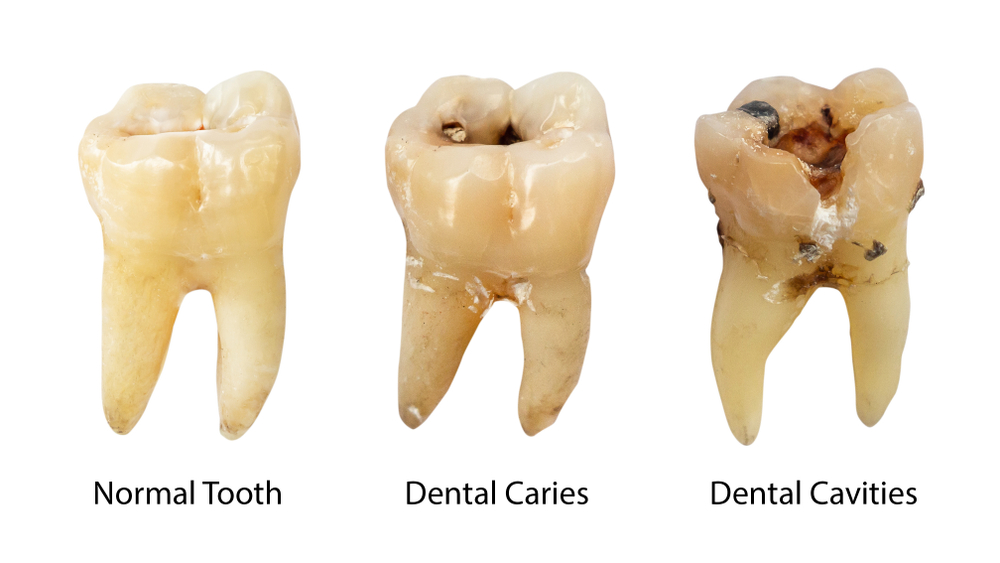
Root canal treatment may be right for you if you’re experiencing certain symptoms or have specific dental conditions.
- Severe, persistent tooth pain that worsens when biting down or applying pressure to the affected tooth
- Prolonged sensitivity to hot or cold temperatures that lingers even after the stimulus is removed
- Visible discoloration or darkening of a tooth, which can indicate pulp death or internal damage
- Swelling and tenderness in the gums surrounding a specific tooth, sometimes accompanied by a small bump
- A chipped, cracked, or fractured tooth that has exposed the inner pulp chamber to bacteria
- Deep decay that has penetrated through the enamel and dentin layers to reach the pulp tissue
- Previous dental trauma or injury that may have damaged the tooth’s internal structures over time
The Root Canal Therapy Process at Citrus Smiles Dental Studio
Understanding what happens during your appointment can help ease any concerns about the procedure.
1. Examination and Diagnosis
Dr. Aurora will examine your tooth, review your symptoms, and take digital X-rays to assess the extent of infection or damage. This imaging helps us visualize the tooth’s internal structure and plan the most effective treatment approach.
2. Anesthesia and Comfort Measures
We administer local anesthesia to completely numb the area around the affected tooth. You won’t feel pain during the procedure—just pressure and movement as we work. For patients with anxiety or longer treatments, dental sedation options are offered by our Texas dentists.
3. Access Opening
A small opening is carefully drilled through the top of the tooth to access the pulp chamber and root canals. This opening is only as large as necessary to complete the treatment.
4. Pulp Removal and Cleaning
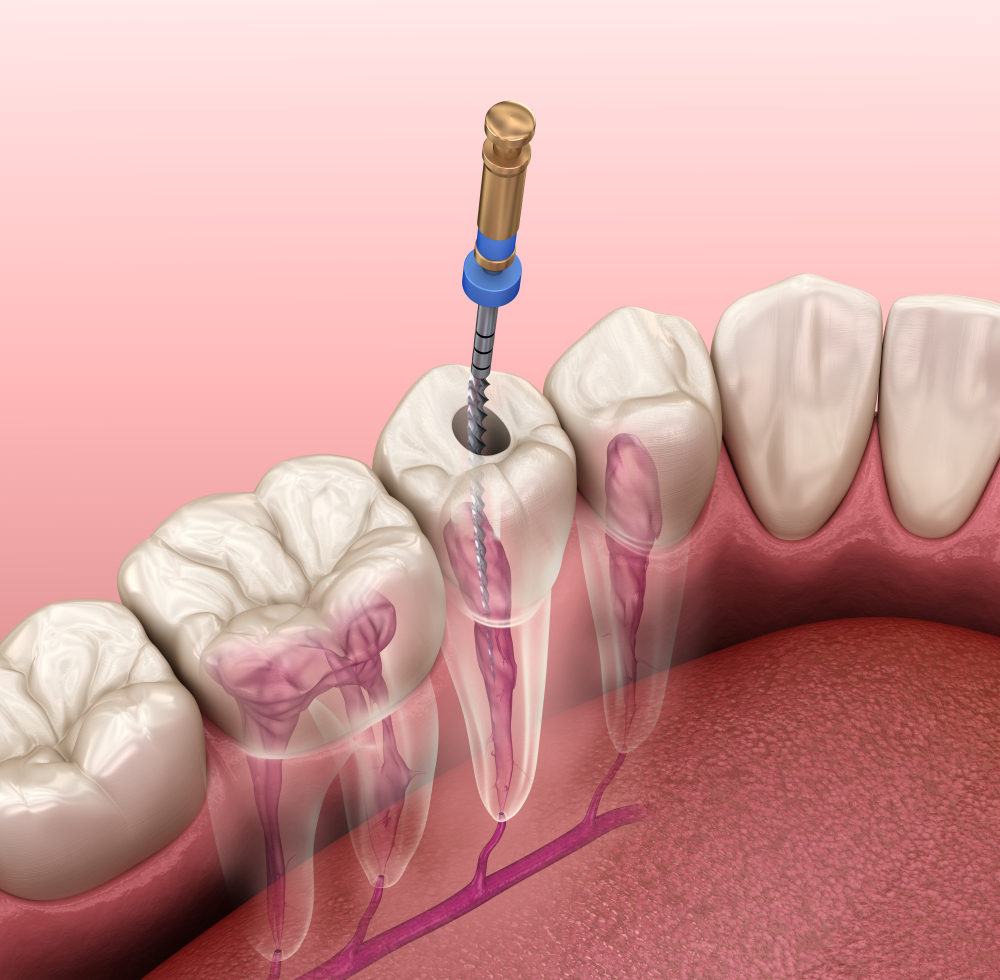
Using specialized instruments, we remove all infected or damaged pulp tissue from the chamber and canals. Each canal is then thoroughly cleaned, shaped, and disinfected to eliminate bacteria.
5. Canal Filling
The cleaned canals are filled with gutta-percha, a biocompatible rubber-like material that seals the space and prevents future infection. This material is placed in layers to ensure complete filling of the root canal system.
6. Sealing the Access Opening
After filling the canals, we seal the small access opening at the top of your tooth with either a permanent or temporary filling material. This protects the treated canals while your tooth heals. In most cases, we recommend placing a crown over the tooth during a follow-up visit to provide maximum protection and restore full function.
Caring for Your Root Canal Results
Proper aftercare ensures your treated tooth heals well and lasts for years to come.
- Take prescribed or over-the-counter pain relievers as directed to manage any mild soreness during the first 24 to 48 hours
- Avoid chewing on the treated side until the permanent restoration is placed and any numbness has completely worn off
- Stick to soft foods for the first few days, then gradually return to your normal diet as comfort allows
- Maintain excellent oral hygiene by brushing twice daily and flossing around the treated tooth to prevent future problems
- Attend your follow-up appointment for crown placement or final restoration to protect the tooth from fracture
- Schedule regular dental checkups and cleanings so we can monitor the treated tooth and catch any issues early
- Avoid chewing ice, hard candies, or other extremely hard foods that could damage the restored tooth
Ready to relieve your tooth pain and save your smile? Our dental team at Citrus Smiles Dental Studio is here to help with gentle, effective root canal therapy.
Cost & Financing for Root Canal Therapy
The cost of root canal therapy varies depending on which tooth needs treatment and the complexity of your case. Front teeth with single canals typically cost less than molars with multiple canals. Most dental insurance plans cover a significant portion of root canal therapy since it’s considered a necessary restorative procedure.
- Root canal therapy generally ranges from $700 to $1,500, depending on tooth location and treatment complexity
- Additional costs for the final crown restoration typically range from $800 to $1,500
- Insurance coverage often pays 50% to 80% of the procedure cost after your deductible is met
- We accept multiple payment options, including CareCredit and other financing plans with affordable monthly payments
- Our team will provide a detailed cost estimate and verify your insurance benefits before beginning treatment
Root Canal Considerations & Alternatives
While root canal therapy has a high success rate, it’s important to understand the realistic outcomes and other options available to you. The procedure saves your natural tooth, but the tooth becomes more brittle over time without its blood supply, which is why we strongly recommend a crown for protection. In rare cases, the infection may persist, or the tooth may develop a crack that prevents successful treatment.
Common Alternatives
- Tooth extraction followed by a dental implant, which provides a permanent replacement, but requires surgery and several months of healing
- No treatment if you choose to wait, though this allows the infection to worsen, spreading to adjacent teeth and soft tissue. This may lead to gum disease, abscess formation, or tooth loss.
Possible Side Effects and Complications
- Temporary soreness or sensitivity in the treated tooth for several days after the procedure, manageable with over-the-counter pain medication
- Root canal infection if bacteria enter the sealed canal system, though this is rare with proper technique and restoration
- Slight discoloration of the infected tooth over time, which can be addressed with whitening or a crown if cosmetically concerning
- Incomplete healing requiring retreatment occurs in less than 5% of properly performed root canals
- Instrument separation inside the canal during treatment, which usually doesn’t affect the outcome, but may complicate the procedure
- Missed canals in teeth with complex anatomy, which can allow infection to persist