
Regain Your Smile and Confidence with Custom Dentures
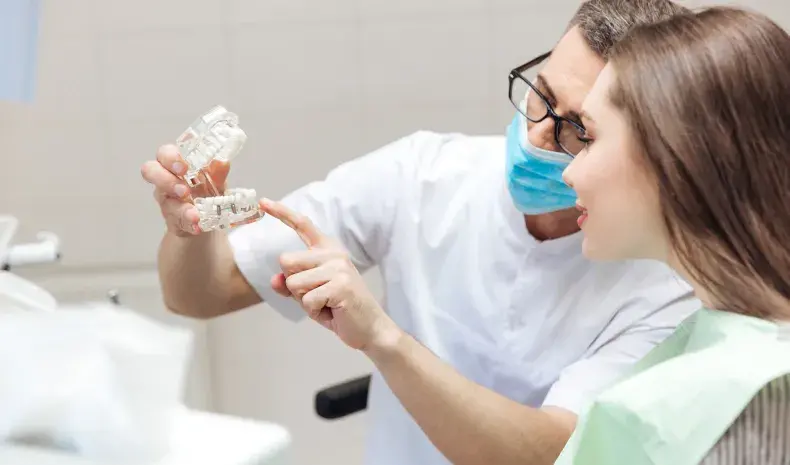
Living with multiple missing teeth affects more than just your appearance—it impacts your ability to eat, speak clearly, and feel comfortable in social situations. At Citrus Smiles Dental Studio, Dr. Aurora creates custom-fit dentures that restore your smile’s fullness while improving function and facial support. Whether you’re missing all your teeth or just a few, we offer denture solutions designed specifically for your needs.
Modern dentures look remarkably natural and feel more comfortable than ever before. Gone are the days of obvious, ill-fitting false teeth. Today’s dentures are crafted from advanced materials that mimic the appearance of natural gums and teeth, giving you a smile you’ll be proud to show off.
Dentures offer an affordable, non-surgical way to replace missing teeth and reclaim your quality of life. We proudly serve patients in Murphy, Wylie, and Heath who are ready to enjoy eating their favorite foods again and smiling without hesitation. Let’s discuss how dentures can transform your life.
Why Choose Citrus Smiles Dental Studio for Dentures
We combine clinical excellence with genuine compassion to make your root canal experience as comfortable as possible.
- Advanced pain management protocols that keep you relaxed and comfortable throughout the entire procedure
- Same-day emergency appointments are available when you’re experiencing severe tooth pain
- Digital X-ray technology for precise diagnosis and treatment planning with minimal radiation exposure
- High success rates thanks to thorough cleaning, disinfection, and sealing techniques
- Multiple location options across Murphy, Wylie, Heath, Lucas, and Irving for your convenience
What Are Dentures? Understanding Artificial Teeth
Dentures are removable appliances that replace multiple missing teeth and surrounding tissues. They consist of artificial teeth set in a gum-colored acrylic base that rests on your gums and is custom-molded by taking impressions of the patient’s mouth to ensure a precise fit.
Denture Options: Partial Dentures and More
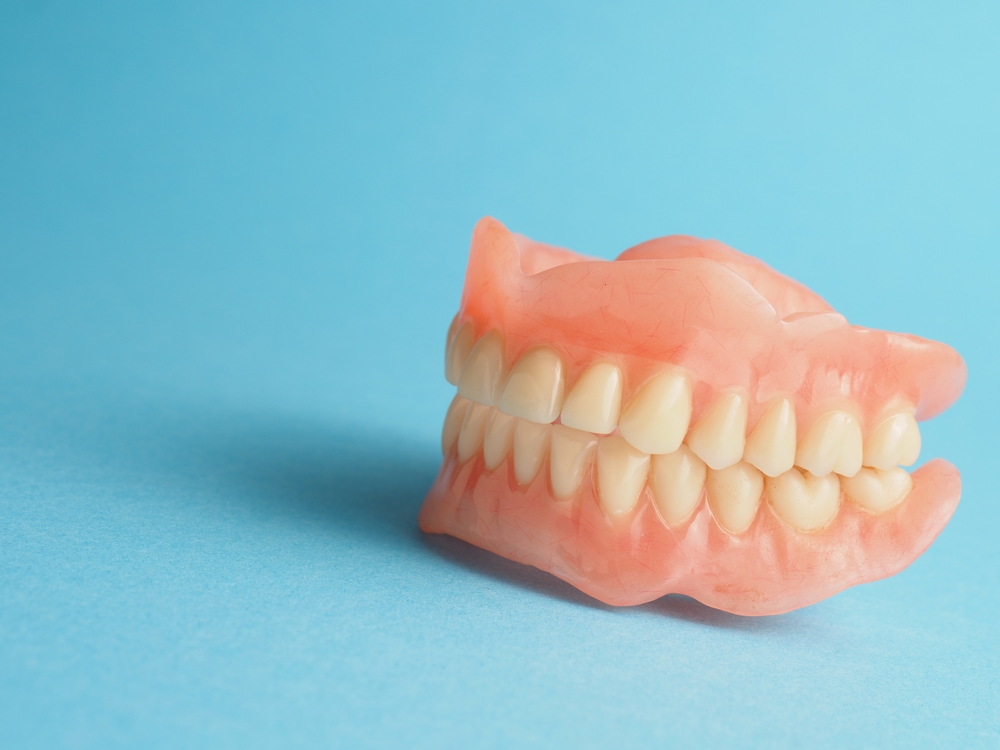
There are several types of dentures available to suit different needs and preferences.
- Complete dentures: Replace all teeth on your upper jaw, lower jaw, or both when no natural teeth remain, resting directly on your gum tissue
- Partial dentures: Fill in gaps where some natural teeth are still present, using clasps to anchor to adjacent healthy teeth
- Immediate dentures: Placed right after tooth extraction, so you don’t go without teeth, then relined after healing is complete
- Implant-supported dentures: Snap onto dental implants for superior stability and retention without relying on suction or adhesive. Some implant-supported options are considered permanent dentures because they are fixed in place and require professional removal.
- Flexible partial dentures: Made from a comfortable, bendable material without metal clasps for improved aesthetics
- Overdentures: Rest on a few remaining natural teeth or implants that have been prepared to provide additional support
Denture Materials and Care
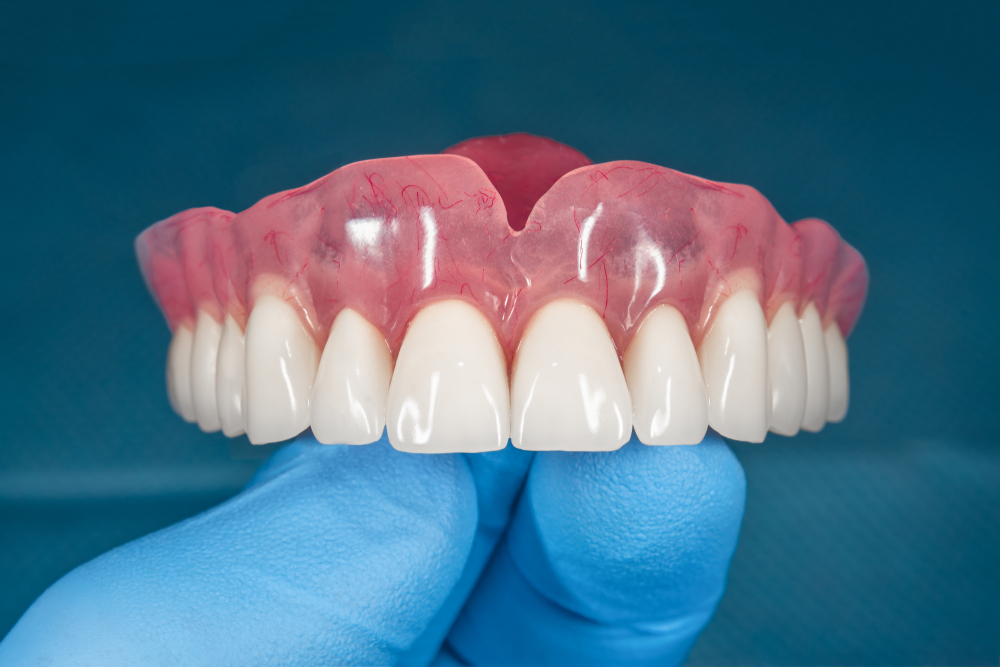
Modern dentures are crafted from a range of advanced materials designed to closely resemble natural teeth and gums while providing comfort and durability. Common denture materials include acrylic resin, flexible nylon, lightweight metal alloys, and porcelain. The choice of material depends on the type of denture as well as your unique oral health needs and your dentist’s recommendations.
How Dentures Improve Your Life
Replacing missing teeth with dentures offers numerous practical and emotional benefits.
- Restores eating ability
so you can enjoy a wider variety of foods, including many you’ve had to avoid with missing teeth
- Improves speech clarity by filling gaps that cause whistling or slurring, helping you pronounce words normally again
- Supports facial structure by preventing the sunken, aged appearance that develops when teeth are missing for extended periods
- Boosts self-confidence by giving you a complete smile that looks natural and allows you to socialize without embarrassment
- Easy to clean and maintain since you can remove them for thorough brushing and soaking overnight
- More affordable option compared to dental implants or fixed bridges, making tooth replacement accessible on most budgets
- Non-surgical solution that doesn’t require lengthy procedures or healing time before you can use your new teeth
- Prevents remaining teeth from shifting with partial dentures that stabilize your bite and maintain proper spacing
Determining If Dentures Are Right for You
Dentures work well for many patients, particularly those dealing with extensive tooth loss.
- Anyone missing most or all teeth in their upper or lower arch who needs complete tooth replacement
- Patients missing several teeth in different areas, who want a removable restoration rather than multiple bridges
- People seeking an affordable alternative to dental implants that doesn’t require surgery
- Those with insufficient bone density for implants or who have health conditions making surgery inadvisable
- Patients who’ve worn dentures before and need replacement due to wear, damage, or changes in jaw structure
- Anyone wanting the convenience of removing teeth for cleaning rather than maintaining fixed restorations
- People are comfortable with the adjustment period required to adapt to wearing dentures
The Denture Process Near You
Creating and fitting dentures involves several appointments to ensure the best possible result. After taking initial impressions of your mouth, these impressions are used to create a stone model of your dental arches, which serves as the foundation for designing your custom denture. The fit and support of dentures depend on both the soft and hard tissues of your mouth, ensuring stability and comfort.
1. Comprehensive Oral Examination
Dr. Aurora evaluates your mouth, takes X-rays if needed, and discusses your goals. We assess your jaw structure, remaining teeth, if any, and determine which denture type suits your situation best.
2. Treatment Planning
We create a personalized plan that addresses any necessary extractions or preparatory work. If teeth need removal, we discuss timing and whether immediate dentures are appropriate.
3. Initial Impressions
Detailed impressions of your upper and lower jaws are made using special trays and materials. These capture the exact contours of your gums and any remaining teeth.
We record how your upper and lower jaws relate to each other using wax rims or other registration materials. This ensures your dentures will have the correct vertical dimension and bite alignment.
4. Shade and Tooth Selection
You work with us to select the tooth shade, shape, and size that look most natural for your face. We consider factors like your skin tone, facial features, and personal preferences.
5. Wax Try-In Appointment
Your denture is set up in wax so you can see how it looks and feels before it’s finalized. We check the appearance, fit, and bite, making any adjustments to the tooth position or arrangement.
6. Laboratory Processing
After your approval, the denture is sent back to the lab where it’s processed into its final form using durable acrylic materials. This step results in the creation of your final denture, which is custom-made for long-term use. This takes about one to two weeks.
7. Final Delivery and Adjustments
Your completed denture is placed and checked for fit, comfort, and appearance. Dr. Aurora makes any immediate adjustments needed and provides detailed instructions for wearing and caring for your new teeth. Follow-up appointments are important to ensure your dentures continue to fit properly and to make any necessary adjustments for your comfort and oral health.
Caring for Your Dentures Properly
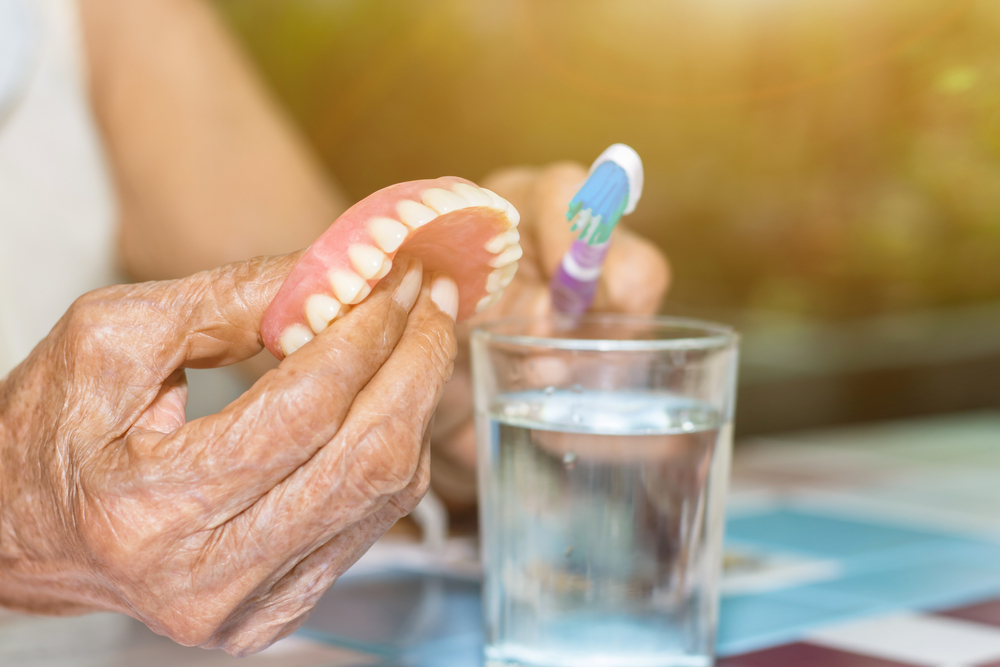
Cleaning dentures daily is essential to prevent oral health issues and extend the life of your prosthesis. Following these care practices keeps your dentures clean, comfortable, and long-lasting.
- Remove and rinse your dentures after eating to eliminate food particles and prevent staining
- Brush your dentures daily with a soft denture brush and mild soap or denture cleaner, never regular toothpaste, which is too abrasive
- Use proper denture cleaning methods, such as mechanical brushing and immersion cleaners, to ensure thorough removal of plaque and bacteria
- Soak dentures overnight in water or denture solution to keep them moist and maintain their shape
- Brush your gums, tongue, and palate each morning before inserting dentures to stimulate circulation and remove bacteria
- Handle dentures carefully over a folded towel or basin of water, since they can break if dropped
- Visit our office for regular checkups so we can examine your dentures and oral tissues for any issues
- Schedule professional cleanings and adjustments as needed to maintain proper fit as your jaw changes over time
Denture Care Products
Maintaining your dentures is easier with the right care products. The American Dental Association recommends using a soft-bristle brush and mild soap or a specialized denture cleaner to gently brush your dentures each day. Avoid harsh chemicals or abrasive cleaners, as these can damage the denture surface and irritate your mouth. Soaking your dentures in a denture solution helps disinfect and remove stains, while a dedicated storage container keeps them clean and protected when not in use.
Regular use of these products not only keeps your dentures looking their best but also helps prevent issues like bad breath, minor irritation, and potential damage to the underlying bone and soft tissues. By following a consistent care routine and using recommended products, you can extend the life of your dentures and support your overall oral health.
Adhesives and Stability
For many denture wearers, achieving a secure, comfortable fit is a top priority. Denture adhesives—available as pastes, powders, or strips—can offer extra stability and peace of mind, especially during meals or social situations. However, adhesives should be used as a supplement, not a substitute, for well-fitting dentures. If your dentures feel loose or uncomfortable, it’s important to consult your dentist for an adjustment rather than relying solely on adhesive.
Denture Costs
Denture pricing varies based on the type you need and the complexity of your case. Complete dentures generally cost more than partials due to the amount of material and work involved. Immediate dentures require additional fees since they need relining after healing.
- Complete dentures typically range from $1,300 to $3,000 per arch, depending on material quality and customization level
- Partial dentures generally cost between $700 and $2,000, based on how many teeth are being replaced
- Implant-supported dentures range from $3,000 to $6,000 per arch, including the implant components
- Most dental insurance plans cover a portion of denture costs, often 40% to 60% after deductibles
- Payment plans through CareCredit and similar financing companies make dentures affordable with monthly installments
Important Information Before Choosing Dentures
While dentures effectively replace missing teeth, they do require an adjustment period. Over time, jaw bone loss continues beneath dentures, requiring periodic relines or remakes to maintain proper fit—typically every five to seven years. Changes in the lower jaw can particularly affect denture stability, often making lower dentures more prone to looseness and requiring more frequent adjustments to ensure comfort and function.
Other Tooth Replacement Methods
- Dental implants that permanently replace individual teeth or anchor dentures, offering superior stability but requiring surgery and a higher investment
- Fixed dental bridges for replacing one to three adjacent teeth without the need for removal, though they require altering neighboring teeth
- All-on-4 implant bridges that replace an entire arch with a non-removable restoration supported by four implants
Challenges You Might Face
- Initial discomfort and sore spots as your mouth adjusts to the denture, usually resolving after a few adjustments
- Learning curve for speaking clearly and eating comfortably, typically taking two to four weeks of practice
- Need for denture adhesive to improve retention, especially with lower complete dentures, which are harder to stabilize
- Ongoing bone resorption that gradually changes jaw shape, requiring periodic relines to maintain fit every few years