
Teeth Whitening Aftercare
Protecting the Results of Teeth Whitening Treatment With Professional Guidance
Professional teeth whitening can transform your appearance and boost your confidence significantly. However, maintaining those brilliant results requires dedicated aftercare and lifestyle adjustments. At Citrus Smiles Dental Studio, we serve patients throughout Murphy, Wylie, Heath, Lucas, and Irving, Texas, providing comprehensive guidance to help you preserve your newly whitened smile for years to come.
Understanding proper aftercare techniques makes the difference between short-lived results and a lasting, radiant smile. Your whitening investment deserves protection through informed choices and consistent maintenance routines. The steps you take immediately after treatment and in the following weeks directly impact how long your results will last.
Ready to maximize your whitening results with our Dallas area cosmetic dentists? Contact Citrus Smiles Dental Studio today.
Citrus Smiles Dental Studio’s Personalized Aftercare Program
At Citrus Smiles Dental Studio, we understand that every patient’s aftercare needs differ based on lifestyle, dietary habits, and individual tooth characteristics. Dr. Mahima Gupta, Dr. Gur Simran Aurora, and Dr. Neha Gupta develop customized maintenance plans that address your specific situation and goals.
We utilize advanced dental technology to monitor your whitening results over time. Digital photography and shade matching systems track changes in tooth color, allowing us to adjust maintenance protocols as needed. This scientific approach maximizes the longevity of your investment.
Why Teeth Whitening Aftercare Is Essential
Professional teeth whitening creates dramatic improvements in tooth color and brightness. Yet these results gradually fade without proper maintenance and care. Your teeth naturally absorb stains from daily activities, environmental factors, and aging processes. Aftercare protocols slow this natural staining process and extend your treatment benefits.
The first 48 hours after whitening treatment are particularly important. During this period, your tooth enamel remains slightly porous and more susceptible to staining. Following specific guidelines during this window helps lock in your results and prevents immediate discoloration. Patients who commit to comprehensive aftercare routines typically enjoy their whitening results two to three times longer than those who neglect maintenance protocols.
Sensitivity in Newly Whitened Teeth
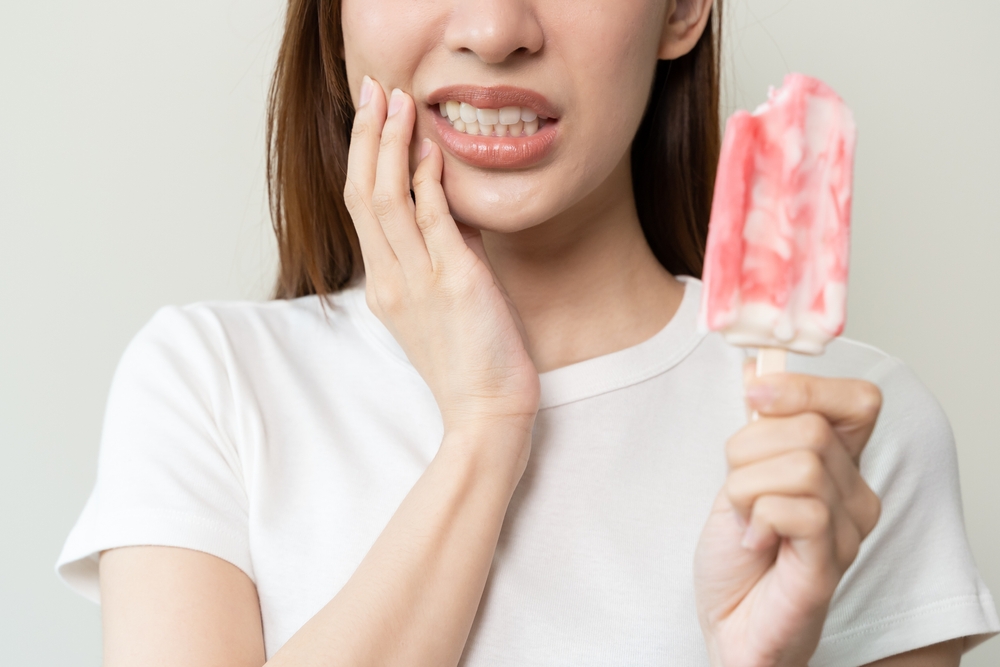
Many patients experience temporary tooth sensitivity following professional whitening treatments. This sensitivity typically peaks within 24 hours and gradually subsides over several days. The sensation occurs because whitening agents temporarily open microscopic pores in tooth enamel, exposing underlying dentin layers.
Sensitivity Management Strategies:
- Desensitizing toothpaste containing potassium nitrate or stannous fluoride
- Temperature moderation with lukewarm water and room-temperature foods
- Gentle oral hygiene with soft-bristled toothbrushes
- Professional desensitizing gels as recommended by your dentist
- Pain management with over-the-counter medications, if needed
Most sensitivity resolves completely within one week of treatment. However, patients with naturally sensitive teeth may experience longer-lasting effects, requiring specific products and techniques to manage discomfort while preserving whitening results.
The Science Behind Tooth Staining
Tooth staining occurs through two primary mechanisms: surface staining and internal discoloration. Surface stains develop when pigmented molecules from foods, beverages, and tobacco products adhere to tooth enamel. These extrinsic stains respond well to professional cleaning and whitening treatments.
Internal stains penetrate deeper into the tooth structure, often resulting from medications, trauma, or genetic factors. These intrinsic stains prove more challenging to remove and may require multiple whitening sessions or alternative treatments.
Types of Tooth Staining:
- Extrinsic stains: Surface deposits from food, beverages, and tobacco
- Intrinsic stains: Deep discoloration from medications, trauma, or genetics
- Age-related changes: Combination of enamel thinning and accumulated staining
- Environmental factors: Exposure to minerals and pollutants over time
Age-related discoloration combines both staining types. Over time, tooth enamel naturally thins, revealing more of the yellowish dentin layer beneath. Simultaneously, years of exposure to staining agents create accumulated surface deposits. Comprehensive aftercare addresses both aging processes.
Immediate Post-Treatment Care Guidelines
First 24-48 Hours
The initial two days following professional whitening require strict adherence to specific guidelines. Avoid all darkly pigmented foods and beverages during this critical period. This includes coffee, tea, red wine, berries, tomato sauce, and dark sodas. Even small amounts of these substances can cause immediate staining.
Foods and Beverages to Avoid:
- Coffee, tea, and dark sodas
- Red wine and colored alcoholic beverages
- Berries, tomato sauce, and beets
- Chocolate and dark-colored candies
- Tobacco products of any kind
Safe Food Options:
- Water, milk, and clear broths
- White rice, chicken, and fish
- Clear or white-colored vegetables
- Bananas and other light-colored fruits
- Sugar-free gum to stimulate saliva production
Choose white or clear foods and beverages instead. Chewing sugar-free gum can help stimulate saliva production, which naturally cleanses teeth and neutralizes acids. Tobacco use must be completely avoided during the first 48 hours, as nicotine and tar cause immediate and severe staining on freshly whitened teeth.
Long-Term Maintenance Strategies
Dietary Modifications for Lasting Results
Permanent dietary changes significantly extend whitening results. While complete avoidance of staining substances isn’t realistic, strategic consumption patterns minimize their impact.
- Use straws for dark beverages to minimize tooth contact
- Consume staining foods with meals when saliva production is highest
- Rinse immediately with water after consuming staining substances
- Wait 30 minutes before brushing to avoid damaging softened enamel
- Choose lighter alternatives when possible (white wine vs. red wine)
Advanced Oral Hygiene Protocols
Standard oral hygiene practices require enhancement to maintain whitening results effectively.
- Electric toothbrushes provide superior plaque and stain removal
- Whitening toothpaste with the ADA Seal of Acceptance twice daily
- Antiseptic mouthwash to reduce stain-causing bacteria
- Water flossing for thorough cleaning between teeth
- Professional-grade products as recommended by your dentist
Professional Touch-Up Treatments
Even with excellent aftercare, professional touch-up treatments become necessary over time. Most patients require their first touch-up six to twelve months after initial whitening, depending on maintenance compliance and lifestyle factors. These brief appointments restore optimal brightness quickly and affordably.
Touch-up treatments typically use the same whitening agents as your original procedure, but for shorter durations. The process usually takes 30-60 minutes and produces immediate results. Many patients schedule touch-ups as part of their regular dental maintenance visits.
Home maintenance kits provided by your dentist offer convenient touch-up options between office visits. These professional-grade products contain higher concentrations of active ingredients than over-the-counter alternatives while remaining safe for unsupervised use.
Protect your whitening investment with professional aftercare guidance. Contact Citrus Smiles Dental Studio today in Murphy (972-472-8862), Wylie (972-474-3849), Heath (972-433-6500), Irving (469-845-9855), and Lucas (214-785-8271).
Common Aftercare Mistakes to Avoid
Overuse of Whitening Products
Many patients assume that more whitening equals better results, leading to overuse of maintenance products. Excessive use of whitening toothpastes, strips, or gels can damage enamel and increase sensitivity. Follow the manufacturer’s instructions and dental recommendations precisely.
Overuse Warning Signs:
- Increased tooth sensitivity
- Enamel translucency or thinning
- Uneven tooth coloration
- Persistent gum irritation
- Tooth pain or discomfort
Using multiple whitening products simultaneously can create unpredictable chemical interactions. Stick to one whitening maintenance product at a time, and consult your dentist before combining different systems. Professional guidance prevents complications and optimizes results.
Neglecting Regular Dental Care
Some patients focus so intensely on whitening maintenance that they neglect basic oral health needs. Regular dental cleanings, examinations, and preventive treatments remain essential for overall oral health and whitening longevity.
Professional cleanings remove stains that daily brushing cannot address. Untreated dental problems can interfere with whitening results and overall oral health. Maintaining excellent oral health provides the foundation for lasting whitening results.
Lifestyle Factors Affecting Whitening Longevity
Tobacco Use Impact
Tobacco products represent the most significant threat to whitening results. Nicotine and tar create deep, persistent stains that resist removal and accumulate rapidly. Even minimal tobacco use can undo months of whitening progress within weeks.
Electronic cigarettes and vaping products also pose staining risks, though typically less severe than traditional cigarettes. The propylene glycol and flavorings in vaping products can contribute to tooth discoloration over time. Complete tobacco cessation provides the best protection for your whitening investment.
Medication Considerations
Certain medications can affect tooth color and whitening longevity. Discuss medication-related staining concerns with both your dentist and physician to develop appropriate management strategies.
Medications That May Affect Tooth Color:
- Tetracycline and doxycycline antibiotics
- Iron supplements and multivitamins with iron
- Antihistamines and decongestants
- Blood pressure medications
- Antipsychotic medications
Some medications cause dry mouth, which reduces saliva’s natural cleansing action and increases staining risk. Using saliva substitutes or sugar-free gum can help maintain adequate moisture levels and protect whitening results.