
Professional Teeth Whitening Candidacy
Discover If You’re a Candidate for Professional Teeth Whitening
Professional teeth whitening can dramatically transform your smile and boost your confidence. However, not everyone qualifies for this popular cosmetic dental procedure. Understanding candidacy requirements helps you make informed decisions about your oral health and aesthetic goals. At Citrus Smiles Dental Studio, we serve patients throughout Murphy, Wylie, Heath, Lucas, and Irving, Texas, providing comprehensive evaluations to determine your whitening eligibility.
Proper candidate assessment protects your oral health while maximizing treatment success. Our experienced dental team evaluates multiple factors before recommending professional whitening treatments. This thorough approach prevents complications and delivers optimal results for qualified patients.
Ready to discover if you’re a candidate for professional teeth whitening with cosmetic dentists near you? Contact Citrus Smiles Dental Studio today.
Citrus Smiles Dental Studio: A Customized Whitening Experience
Citrus Smiles Dental Studio stands out in Murphy, Wylie, Heath, Irving, and Lucas due to our dedication to creating a personalized whitening experience for each patient. We recognize that every smile is unique, which is why we take the time to evaluate your individual tooth shade, any existing dental work, and your aesthetic goals before recommending the most suitable whitening solution.
Our advanced diagnostic tools, including digital imaging and shade matching technology, enable us to predict your expected results and develop a customized treatment plan. The comfortable, welcoming atmosphere at our dental studio ensures that the whitening experience is enjoyable rather than stressful. Our team takes pride in educating patients about the process and providing detailed aftercare instructions.
Essential Health Requirements for Whitening Candidacy
Optimal Oral Health Foundation
Good oral health serves as the foundation for successful teeth whitening treatments. Your dentist will perform a comprehensive oral examination to assess your candidacy. This evaluation includes checking for decay, gum disease, tooth fractures, and other conditions that might interfere with whitening success. Addressing these issues before whitening protects your oral health and improves treatment outcomes.
Essential Health Criteria:
- Healthy teeth and gums with no active disease
- No untreated cavities or dental decay
- Absence of gum inflammation or periodontal disease
- Intact tooth enamel without significant damage
- Stable dental restorations, if present
- Overall, good oral hygiene habits
Patients with excellent oral health typically experience better whitening results with fewer side effects. Healthy tooth enamel responds more predictably to whitening agents, while healthy gums remain comfortable throughout the treatment process.
Gum Disease Considerations
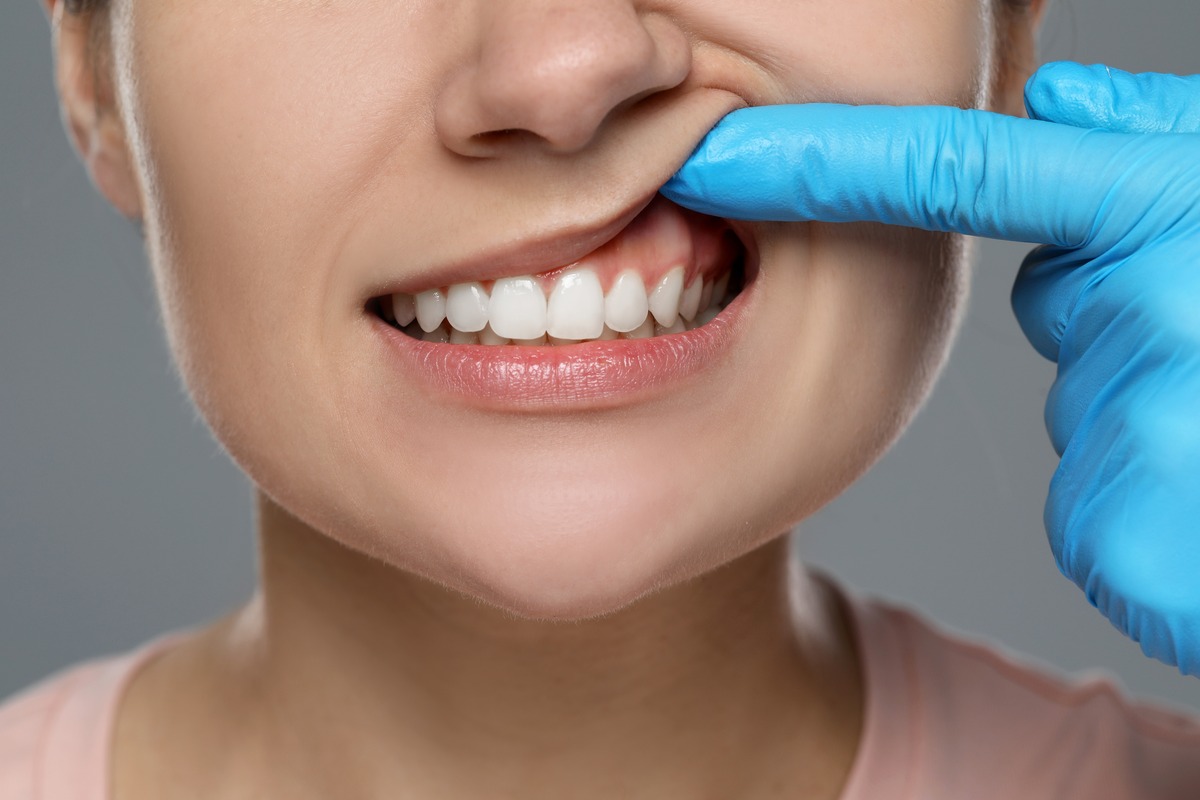
Active gum disease disqualifies patients from immediate whitening treatments. Gingivitis and periodontitis cause gum inflammation that whitening agents can severely aggravate. The chemical interaction between whitening products and inflamed gum tissue often results in increased pain, swelling, and potential tissue damage.
Treatment must address gum disease completely before considering whitening procedures. This typically involves professional teeth cleanings, scaling and root planing, or other periodontal therapies. Most patients can pursue whitening once their gum health returns to normal levels.
Gum Health Requirements:
- No signs of gingivitis or bleeding gums
- Absence of periodontal pockets or infection
- Stable gum attachment levels
- No recent periodontal surgery
- Consistent oral hygiene maintenance
Chronic gum disease requires ongoing management that may affect whitening candidacy long-term. Patients with severe periodontal conditions might need alternative cosmetic treatments or modified whitening protocols.
Cavity and Tooth Damage Assessment
Untreated cavities create serious complications during whitening procedures. Whitening agents can penetrate decayed areas, reaching sensitive inner tooth structures and causing severe pain. This chemical exposure can damage tooth nerves permanently and require emergency treatment.
All dental decay must receive treatment before whitening procedures begin. Depending on cavity size and location, this might involve fillings, crowns, or other restorative treatments. The timing of these procedures affects your overall treatment timeline and candidacy status.
Cracked or damaged teeth present similar risks during whitening. Fractures provide pathways for whitening agents to reach sensitive tooth areas inappropriately, requiring evaluation and repair before treatment approval.
Age-Related Candidacy Factors
Professional teeth whitening is generally recommended for patients eighteen years and older. Adult teeth have fully developed enamel that can withstand whitening agents safely. Mature tooth structure responds more predictably to treatment while maintaining long-term stability. Young adults often achieve excellent whitening results due to their relatively healthy tooth structure. A comprehensive evaluation considers both age and individual circumstances.
Children and teenagers are generally not candidates for professional teeth whitening. Developing tooth enamel in young patients remains more porous and sensitive than adult enamel. Whitening agents can cause unpredictable reactions in immature tooth structure.
Safety Concerns During Pregnancy
Professional teeth whitening is not recommended during pregnancy due to potential risks to developing babies. While no definitive studies prove harm, the precautionary principle suggests avoiding unnecessary chemical exposure during this sensitive period. Most dental professionals recommend postponing whitening until after delivery.
Pregnancy causes significant hormonal changes that affect oral health and healing processes. Increased gum sensitivity and bleeding can complicate whitening procedures and recovery. These changes may also affect treatment outcomes and patient comfort levels.
Morning sickness and dietary changes during pregnancy can affect tooth enamel temporarily. Frequent vomiting exposes teeth to stomach acid, weakening enamel and increasing sensitivity. These conditions may make whitening more uncomfortable and less effective than usual.
Breastfeeding Limitations
Nursing mothers should also postpone professional teeth whitening treatments. Whitening agents could potentially pass through breast milk to infants, though research remains limited. The safest approach involves waiting until breastfeeding concludes before pursuing cosmetic treatments.
Hormonal changes continue during breastfeeding, affecting oral health and healing processes. Gum sensitivity often persists while nursing, potentially complicating whitening procedures. Postponing treatment until hormone levels stabilize typically produces better results with fewer complications.
Sleep deprivation and stress common during early motherhood, can affect healing and treatment outcomes. Optimal whitening results require good overall health and proper aftercare compliance.

Medical Conditions Affecting Candidacy
Autoimmune Disorders and Healing Concerns
Patients with autoimmune conditions may face modified candidacy requirements for professional whitening. Conditions like rheumatoid arthritis, lupus, or inflammatory bowel disease can affect healing processes and treatment outcomes. Medication management for these conditions also influences whitening candidacy.
Immunosuppressive medications commonly used for autoimmune conditions can slow healing and increase infection risks. These medications may also affect how patients respond to whitening agents. A comprehensive medical evaluation helps determine appropriate treatment modifications or alternatives.
Cancer Treatment Considerations
Cancer patients and survivors require special evaluation for whitening candidacy. Chemotherapy and radiation treatments can cause significant oral health changes, including increased sensitivity, dry mouth, and altered healing responses. These effects may persist long after treatment completion.
Active cancer treatment typically disqualifies patients from elective cosmetic procedures like teeth whitening. The focus during this period should remain on maintaining basic oral health and managing treatment-related complications. Whitening consideration can resume after medical clearance.
Dental Restoration Impact on Candidacy
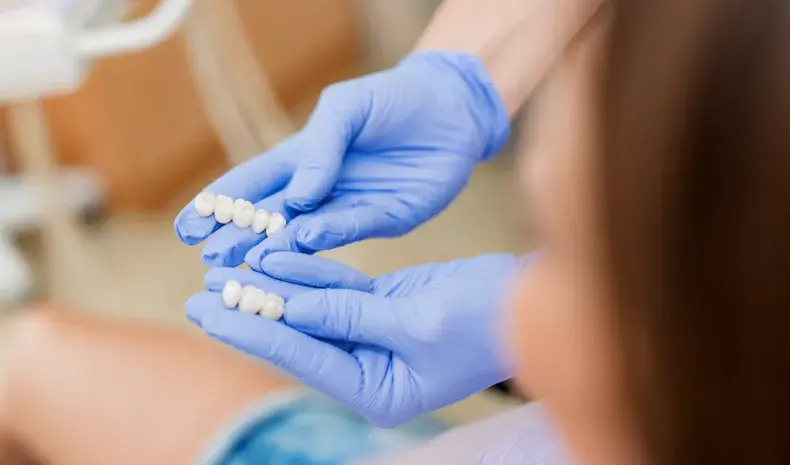
Patients with extensive dental restorations face significant limitations regarding whitening candidacy. Dental crowns, veneers, dental bridges, and composite fillings don’t respond to whitening agents and maintain their original color permanently. This creates potential color-matching challenges that affect treatment planning.
Whitening natural teeth while leaving restorations unchanged often results in obvious color differences. These mismatched colors can make restorations appear more prominent and affect overall smile aesthetics. Patients may need restoration replacement after whitening to achieve a uniform appearance.
Restoration Considerations:
- Crowns and veneers: Don’t respond to whitening agents
- Composite fillings: Maintain original color permanently
- Bridges: May create color-matching challenges
- Location visibility: Front teeth restorations are more problematic
- Replacement timing: May need new restorations after whitening
The location and visibility of existing restorations significantly impact whitening candidacy. Restorations in highly visible areas create more challenging aesthetic situations than those in less noticeable locations. Your dentist will evaluate restoration placement when determining appropriate treatment approaches.
Tooth Sensitivity and Whitening Suitability
Patients with existing tooth sensitivity require careful evaluation before whitening procedures. Baseline sensitivity levels help predict how patients will respond to whitening agents and guide treatment modifications. Severe sensitivity may disqualify patients from certain whitening approaches.
Mild to moderate sensitivity doesn’t necessarily disqualify patients from whitening. However, treatment protocols may require modification, including desensitizing treatments, reduced whitening agent concentrations, or extended treatment timeframes. Proper management can often allow successful whitening for sensitive teeth.
Lifestyle Factors Influencing Candidacy
Tobacco Use and Treatment Success
Tobacco users face significant challenges regarding whitening candidacy and treatment success. Nicotine and tar from cigarettes, cigars, and smokeless tobacco create deep, persistent stains that resist whitening treatment. Continued tobacco use rapidly undoes whitening results.
Patients who continue tobacco use during and after whitening typically experience poor results and shorter-lasting effects. The chemicals in tobacco products not only stain teeth but also compromise gum health and healing processes. These factors combine to create challenging treatment situations.
Dietary Habits and Staining Patterns
Dietary habits significantly influence whitening candidacy and long-term success. Patients who consume large quantities of staining beverages like coffee, tea, or red wine may experience limited treatment longevity. However, these habits don’t necessarily disqualify patients from treatment.
Willingness to modify dietary habits during and after whitening affects treatment recommendations. Patients committed to reducing staining substance consumption typically achieve better results with longer-lasting effects. Dietary counseling helps patients understand the relationship between food choices and whitening success.